LIGHTING
The gaffer
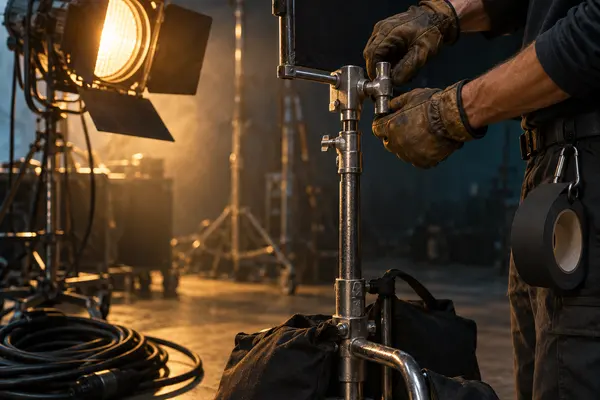
The chief lighting technician, who places and moves the lights and runs the lighting crew. The best boy is their first assistant.
Decode the title
 doodlecredits
BEHIND THE NAMES
ROLL the credits
Every line in the end credits is a real job, and most of them are older than you think.
End credits have grown from a few seconds to several minutes. Here is why they got so long, and what a gaffer, a best boy, a key grip and a Foley artist actually do, in plain English.
Plain English, with the sources linked.
Updated
Decode a job titleTHE SHORT ANSWER
Freelance crews need on-screen credit to find their next job,
and modern productions employ thousands.
LIGHTING
The chief lighting technician, who places and moves the lights and runs the lighting crew. The best boy is their first assistant.
Decode the titleGRIP
Head of the grips, the crew that rigs and moves the gear that holds the camera and shapes the light: stands, dollies and cranes.
Spot them in the creditsSOUND
Performs footsteps, rustles and clinks in time with the picture, a craft named after a sound pioneer at Universal.
Where the name comes fromDECODE A CREDIT
Pick a title you have seen roll past in the end credits. The definitions come from a state film commission glossary and a UK screen-industry skills body.
Titles and duties vary from production to production and country to country. These are the standard meanings.
WHAT THE NUMBERS SHOW
An analysis of 6,515 feature films released
between 1920 and 2025.
25s vs 5m 43s
1930s against the 2020s
The median barely moved from the 1930s to the 1960s, then more than doubled in the 1970s and doubled again in the 1980s. Today's credits run almost thirteen times longer than those of the 1950s.
MEDIAN END-CREDIT LENGTH
<0.5% to ~12%
Share of crew credits
Visual effects went from under half a per cent of crew credits in the 1970s to around 12% today. One 2018 superhero blockbuster credited 5,109 people, 2,659 of them in visual effects.
VISUAL EFFECTS CREDITS
Budget was the strongest single predictor of credit length this century, and crew size mattered far more than cast size.
READ THEM TONIGHT
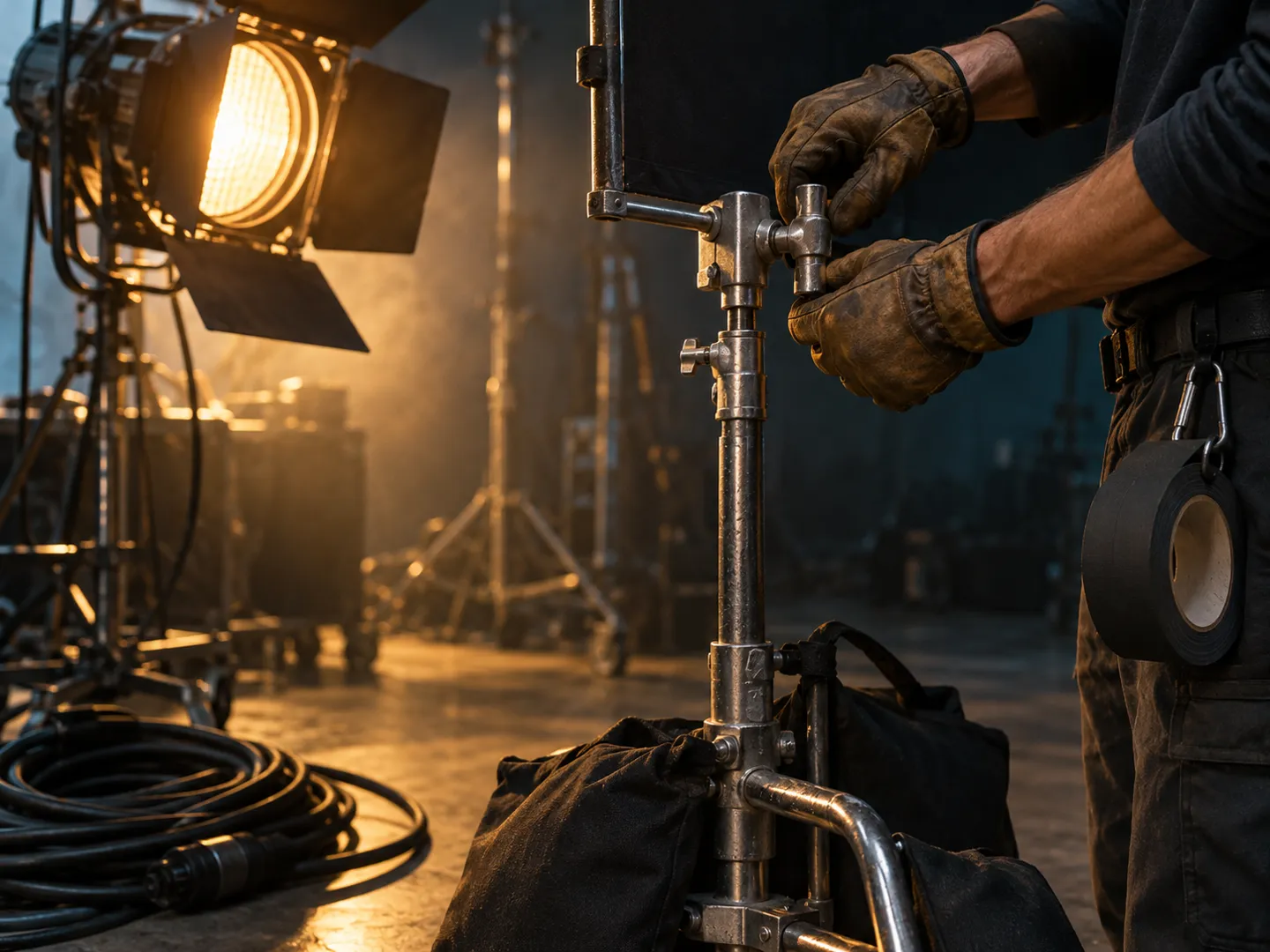
Credits are grouped by department. Look for the gaffer heading lighting and the key grip heading the grips; their crews follow underneath.
The best boy is the gaffer's first assistant, and a best boy grip assists the key grip. Think of them as the department's organiser.
"Written by" means one writer or team did both story and screenplay. Watch for "&" versus "and" between names.
Long runs of names under different company headings are usually visual effects vendors, each listing its own team.
CREDIT FACTS

Credits used to open the film, which kept them short. Once the full list moved to the end, there was little pressure to trim it, and no body caps its total length.
After the studio contract system broke up, following a 1948 antitrust ruling, more crew worked freelance. A screen credit became a calling card for the next job.
Under Writers Guild of America rules, an ampersand joins a writing team. "And" means the writers worked separately, usually one rewriting the other.
Since a 1978 agreement with the Directors Guild of America, studios assign only one director to a film at a time, with exceptions such as second units and approved directing teams.
The term for performed sound effects is named after Jack Foley, who pioneered the technique at Universal in the 1930s, when films had only recently gained sound.
QUICK QUESTIONS
Short answers to the questions people ask most.
Mostly because crews are bigger and more of them are freelancers who need the credit to find their next job. An analysis of 6,515 films found the median end-credit run grew from 25 seconds in the 1930s to 5 minutes 43 seconds in the 2020s, with visual effects adding many names.
The gaffer is the chief lighting technician and head of the lighting department, in charge of placing and moving the lights. They plan the lighting and power with the director of photography and run the lighting crew.
The first assistant to the gaffer. A best boy grip is the first assistant to the key grip. The job is largely organisation: booking crew, arranging equipment deliveries and keeping the department paperwork up to date.
The gaffer heads lighting, the electrical side. The key grip heads the grips, who rig and move the equipment that supports the camera and shapes the light, including dollies and cranes. The two work closely with the director of photography.
Under the Writers Guild of America credit rules, an ampersand joins writers who worked together as a team. The word "and" means they worked separately, usually with one rewriting the other.
Sources
A NAME THAT ROLLS
doodlecredits.com is part of the DoodleSale portfolio. It isn't in an auction right now, but you can ask about leasing it.